Ex-Flight Attendant Reveals the Best (and Worst) Seats on the Plane for Avoiding Mid-Flight Skin Damage
Beauty Expert
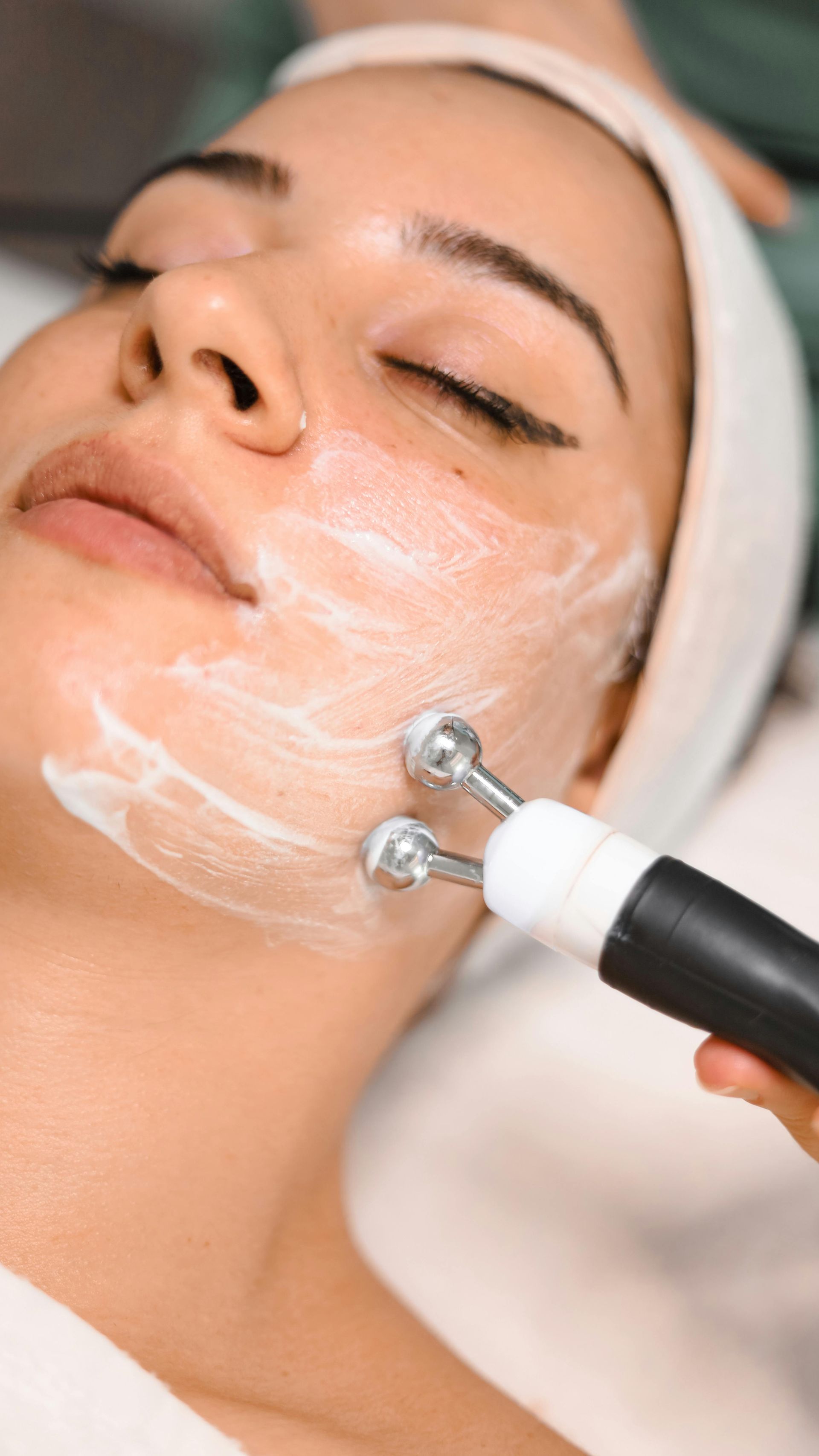
(Copyright Danielle Louise and Fresha App - reproduced with kind permission)
With winter getaways peaking and long-haul bookings already up year-on-year, Fresha, the world’s leading beauty and wellness booking platform, has analysed expert insights and cabin airflow patterns to reveal the exact seats most likely to leave passengers with tight, flaky or dehydrated skin.
According to beauty expert and ex-air flight attendant Danielle Louise, on the Fresha app, humidity levels inside a plane cabin can drop below 20%, drier than the Sahara. Combined with recycled air, UV exposure at altitude and limited movement, certain seats accelerate moisture loss far more than others.
Key Findings
- Worst for skin: window seats, due to boosted UV exposure and minimal airflow.
- Best for skin: aisle seats in the middle of the cabin, where airflow is more stable, and humidity dips aren’t as severe.
- Most dehydrating zone: the first and last five rows of the plane, where temperature and airflow fluctuate the most.
- Surprising fact: seats directly above the wings receive the least turbulence in humidity changes.
- Skincare gain: passengers in centre-block seats (B, C, D, E on larger jets) reported less tightness and irritation post-flight.
Why Some Seats Destroy Your Skin
“People don’t realise that where you sit on a plane genuinely impacts your skin barrier,” says Danielle Louise, beauty expert on the Fresha app. “Window seats get the harshest UV exposure, even on cloudy days, because you’re thousands of feet closer to the sun and light reflects off the clouds. It’s a recipe for dehydration.”
She adds: “The front and back sections of the aircraft also suffer from more dramatic drops in humidity. Your skin can lose moisture rapidly, especially if you're already wearing retinol or acids.”
The Hydration Hotspots (and Danger Zones)
Seat Types - Hydration Impact and Why It Matters
Window seats
Worst
High UV exposure, minimal airflow, and cold wall temperature draw moisture out of the skin
Aisle seats (mid-cabin)
Best
Stable airflow, fewer temperature swings, easier movement = better circulation
Bulkhead rows
Moderate
More legroom but strong airflow directly from vents
Front + last 5 rows
Worst
Air pressure and humidity fluctuate most during take-off/landing zones
Seats above the wing
Better
Aircraft structure stabilises pressure and humidity shifts
How to Protect Your Skin in Any Seat
Beauty expert and ex-air flight attendant Danielle Louise, on the Fresha app recommends:
- Skip active ingredients 24 hours before flying (retinol, AHAs/BHAs).
- Use a barrier cream in the airport — not after you’re already onboard.
- Choose a hydrating mist over a face wipe, which can damage the skin barrier.
- Apply SPF even on night flights (UV penetrates cabin windows).
- Drink water early, not just when the cart comes round.
Why This Matters Now
Long-haul bookings for winter sun and early-2026 travel are climbing, and demand for in-flight skincare hacks has jumped across social platforms. Fresha has seen a 22% rise in searches for hydrating facials and barrier-repair treatments over the past month — driven by travellers wanting pre-flight protection and post-flight repair.
About Fresha
Fresha is the world’s leading beauty and wellness marketplace, empowering millions of customers to discover, book, and experience treatments with top professionals globally. The platform also provides salons, spas, and wellness businesses with industry-leading tools to run and grow their businesses.