Local Authority Becomes First UK Council to Recognise Rights of Nature
Maidstone - Kent
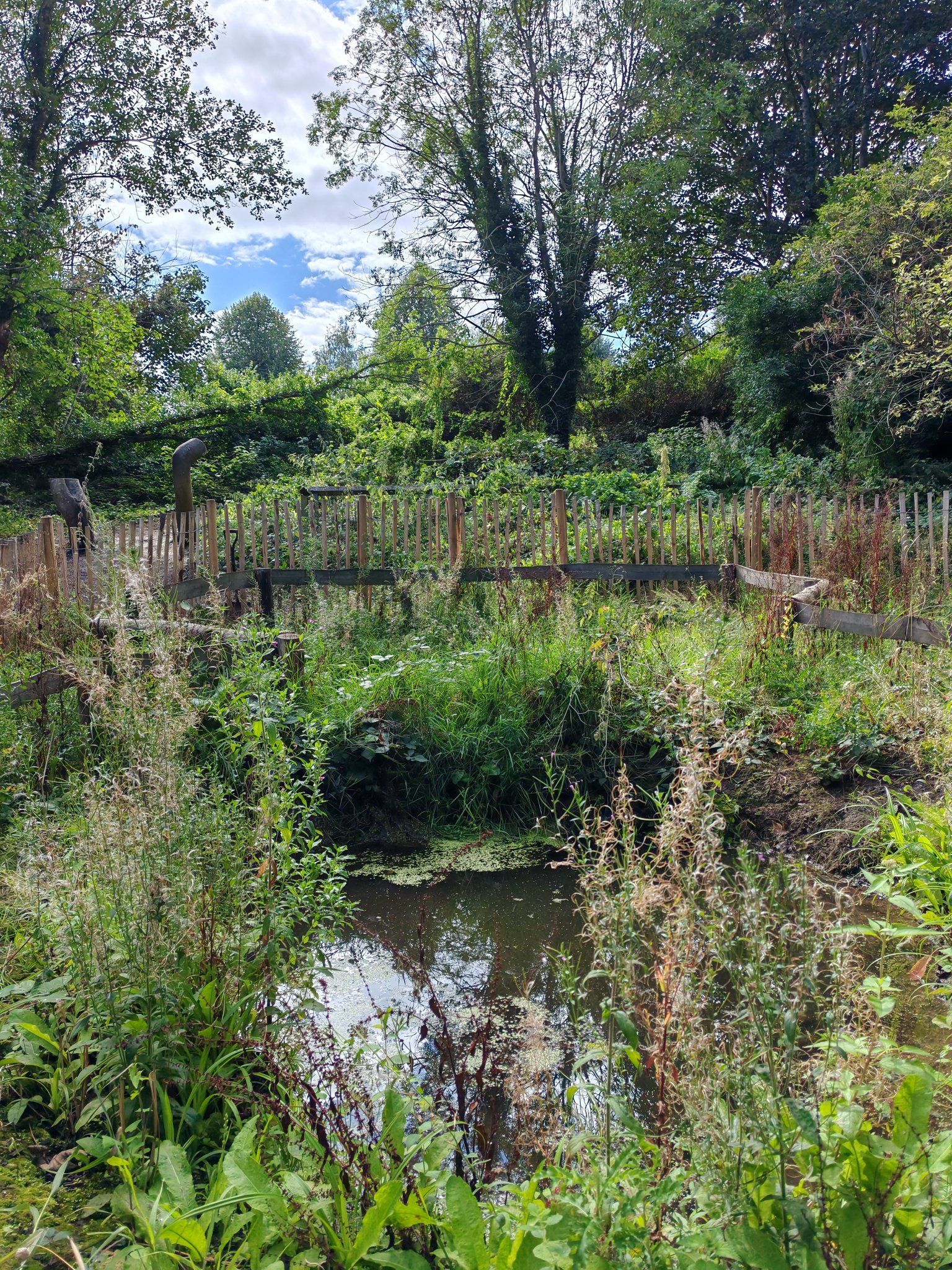
Maidstone Borough Council has become the first council in the UK to formally adopt a Rights of Nature framework.
This means the council will embed the principle that nature has an intrinsic right to exist, thrive and evolve across its governance, decision‑making and service delivery.
(Copyright text and images Maidstone Borough Council, images Mr Tony Harwood on behalf of Maidstone BC, reproduced with kind permission)
The landmark move, agreed by Cabinet, marks a significant step forward in how local government recognises and protects nature, and places Maidstone at the forefront of environmental leadership.
Rather than acting as a symbolic declaration, the Rights of Nature framework provides a practical, deliverable approach to safeguarding the borough's natural systems, with a particular focus on waterways, trees and wildlife, and ensures nature's interests are considered alongside social, economic and financial factors in council decisions.
The decision follows a councillor motion brought forward in October 2025, which challenged the Council to explore how Rights of Nature principles could be translated into action using existing legal powers and governance structures.
Following detailed officer research, legal advice and cross‑party consideration, Cabinet has now formally endorsed a framework that integrates Rights of Nature directly into the Council's Biodiversity Action Plan and Climate Change Action Plan, embedding nature's protection into existing strategies rather than creating a standalone policy.
Rights of Nature delivered through action
Instead of creating new layers of strategy, Maidstone is delivering Rights of Nature through tangible, measurable action already underway across the borough. This includes strengthening habitat protection and connectivity, prioritising tree retention, resilience and canopy expansion, integrating river health and water quality into planning and ensuring ecological impacts are considered as part of all relevant council decisions.
This framework builds on Maidstone's existing leadership, including its 20% Biodiversity Net Gain requirement for new developments, extensive use of nature‑based solutions for climate resilience, and community guardianship approaches for trees and green spaces.
Councillor Rachel Rodwell, Maidstone Borough Council's Cabinet Member for Nature and Climate Transition said:
"By embedding Rights of Nature within our governance, leadership and delivery frameworks, rather than treating it as a symbolic statement, Maidstone is setting a new precedent for how councils can act as genuine stewards of the places they serve.
"Like all local authorities, we must meet national requirements for development and housing delivery, and ensure our borough remains a place where people can live, work and thrive. But recognising the rights of nature means those decisions cannot be made in isolation or at nature's expense.
"This framework ensures that as we plan for growth, we also give proper weight to the health of our rivers, the protection of our trees and habitats, and the long‑term resilience of the natural systems that sustain our communities. It is about striking a fair, responsible balance, meeting government targets while making sure nature's voice is embedded at the heart of our decision‑making, now and for the future."
Strong progress in supporting nature's recovery
Along\side this governance milestone, Maidstone Borough Council has reported strong progress over the past year in delivering practical climate and biodiversity action.
9,300 native trees and 280 metres of native hedgerow have been planted, both on council land, and with private landowners to boost biodiversity across the borough.
Several key council sites have gained formal recognition for their environmental value, and Maidstone now boasts five Green Flag Award parks with Brenchley Gardens in the town centre the most recent recipient.
High‑profile community projects, such as the Midley Close Tiny Forest and Food Forest, have gained national recognition, while innovative initiatives including conservation grazing, species reintroduction projects and soil restoration trials are helping to restore nature where it has been lost.
The Council has also reduced its own environmental impact, transitioning buildings and car parks to 100% LED lighting, expanding its electric and low‑emission vehicle fleet, installing solar panels and battery storage on council property, and switching to a green electricity tariff.
Community action sits at the heart of Maidstone's approach. Nearly £500,000 has been made available through the Nature Recovery Fund to support local projects, while thousands of residents have benefited from water‑saving, energy‑saving and sustainability initiatives.
Targeted recycling campaigns, fly‑tipping enforcement and action to reduce single‑use plastics have also helped protect local environments and reduce waste.
The Rights of Nature framework will now be implemented through annual updates to the Council's Biodiversity and Climate Change Action Plans, with progress monitored through established governance processes and delivered in partnership with communities, landowners and organisations across the borough.