Skiing Can Be Harsher on Your Skin Than a Long-Haul Flight, Experts Warn
Danielle Louise - Fresha App
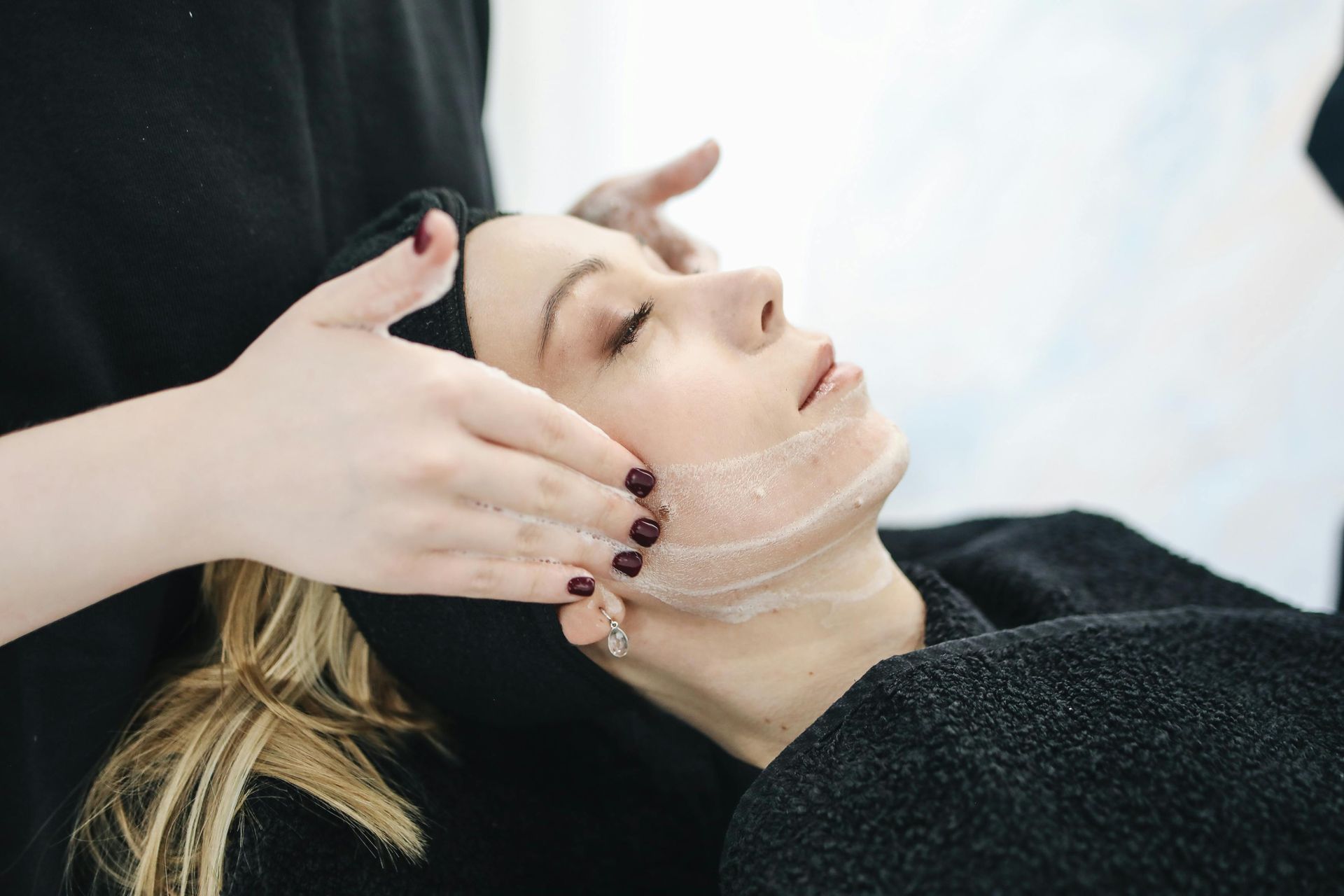
Beauty expert reveals the biggest skincare mistakes people make on ski breaks — and how to prevent dry, cracked, sun-damaged skin
Ski holidays may feel like fresh air and wellness, but beauty experts are warning that cold temperatures, high altitude, wind exposure and intense UV reflection can be just as damaging to the skin as a long-haul flight.
According to Danielle Louise, hair and beauty expert on the Fresha app, ski conditions strip the skin of moisture rapidly — often without people realising until redness, flaking or breakouts appear days later.
“People prepare their outfits and equipment for skiing, but completely forget about their skin,” says Danielle. “Cold air, wind chill and altitude pull moisture out of the skin fast, while snow reflects UV rays straight back onto the face. It’s a perfect storm for dryness, sensitivity and long-term damage.”
Why Ski Trips Are Tough on Skin
Experts say skiing creates a unique combination of stressors that can overwhelm the skin barrier:
- Cold, dry air reduces natural oil production
- Wind exposure increases irritation and redness
- High altitude accelerates dehydration
- Snow reflection intensifies UV exposure, even on cloudy days
- Indoor heating in chalets dries skin overnight
“The skin doesn’t just feel dry — the barrier actually becomes compromised,” Danielle explains. “That’s when people notice stinging, tightness, eczema flare-ups or sudden breakouts.”
The Most Common Ski Skincare Mistakes
According to Danielle Louise on the Fresha app, these are the errors she sees most often during ski season:
- Skipping sunscreen because it’s cold
- Using foaming or stripping cleansers
- Forgetting lip and eye protection
- Applying lightweight moisturisers that aren’t protective enough
- Waiting until skin feels sore to treat it
“By the time your skin feels uncomfortable, the damage has already started,” she adds.
How to Protect Your Skin on a Ski Break
Beauty experts recommend adjusting your routine before, during and after time on the slopes:
Switch to a richer moisturiser
Look for barrier-repair ingredients like ceramides, glycerin and squalane to lock moisture in.
Wear SPF every day — even in snow
Snow can reflect up to 80% of UV rays, increasing the risk of sun damage and pigmentation.
Protect lips and eye area
Use an SPF lip balm and a nourishing eye cream to prevent cracking and fine-line dehydration.
Avoid over-cleansing
Stick to gentle, non-foaming cleansers to avoid stripping already stressed skin.
Hydrate inside and out
Cold weather dulls thirst signals — drinking enough water is just as important as topical care.
After-Ski Skincare Matters Too
Danielle warns that post-ski routines are often overlooked.
“Hot showers and indoor heating can undo all your daytime protection. After skiing, focus on calming, repairing products and avoiding harsh exfoliants until skin feels normal again.”
Don’t Forget Body Recovery — Skiing Stresses More Than Just Your Face
Skiing places intense strain on the body, particularly the legs, hips and lower back — and recovery habits can affect both skin and muscle health.
Danielle Louise, hair and beauty expert on the Fresha app, says people often underestimate how much physical stress a full day on the slopes causes.
“Cold weather tightens muscles and reduces circulation, which can increase soreness, stiffness and inflammation,” she explains. “If recovery is rushed or ignored, it can show up as body breakouts, sensitivity and prolonged muscle fatigue.”
Common post-ski recovery mistakes include:
- Long, very hot showers that worsen dryness and inflammation
- Skipping stretching before collapsing for the evening
- Drinking alcohol instead of rehydrating
- Using heavily fragranced body washes on cold-stressed skin
What experts recommend instead:
- Lukewarm showers followed by a rich, fragrance-free body moisturiser
- Gentle stretching or light movement to support circulation
- Prioritising hydration before alcohol
- Using calming, barrier-supporting products on areas prone to dryness or friction
“Ski trips are brilliant for mental health, but they’re surprisingly aggressive on both skin and body,” Danielle says. “With the right prep and recovery, you can avoid dryness, soreness and long-term damage — and come home feeling restored rather than run down.”